
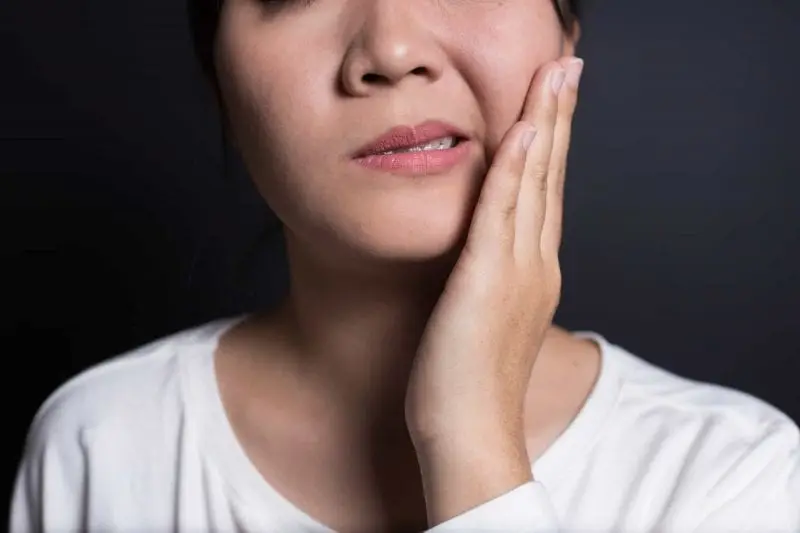
Grinding your teeth, a condition called bruxism, affects about 10 percent of adults, according to the American Sleep Association. Bruxism even troubles up to 15 percent of children. Bruxism can create serious disturbances in your life. Because of this, more dentists are now recommending a treatment that may surprise you: Botox!
Problems Caused By Grinding Teeth at Night
If you wake up in the morning after a solid eight hours of sleep, but you still feel tired, then there’s a chance that you’ve been grinding your teeth at night. The sleepiness that you experience throughout the rest of the day can affect your personal and professional life. It’s hard to meet deadlines and pick up the kids after school when you feel like you might fall asleep at your desk.
Other issues caused by bruxism include:
- Headaches that can last for hours
- Pain and soreness in your face, neck and jaw
- Tooth pain and sensitivity that makes eating and drinking difficult
- Tight muscles that make it difficult to close or open your mouth
- Pain that feels like an earache
- Chipped teeth
- Worn enamel
Some grinding gets so intense that it makes enough noise to wake bed partners.
Common Uses of Botox
Botox has a reputation for eliminating unwanted facial wrinkles, but the substance has numerous medical uses because of its ability to relax muscles.
Doctors also use Botox to treat maladies like:
- Spastic muscles
- Overactive bladders
- Migraines
- Excessive sweating
- Symptoms of some allergic reactions
How Botox Can Help You Stop Grinding Your Teeth
Botox’s ability to relax muscles plays a critical role in how it prevents bruxism. Although doctors don’t fully understand why some people grind their teeth at night, they have found links between bruxism and emotional states like anger, tension, anxiety and stress.
While sleeping, the jaw muscles continue to react to the body’s negative emotions. In some patients, this can cause them to tighten their jaw muscles and grind their teeth.
Since Botox relaxes muscles, a few simple injections could relieve the symptoms of grinding teeth.
Botox Treatments Have Limitations
Unfortunately, Botox doesn’t offer a long-term solution to bruxism. Over time, the substance becomes less effective. Even patients who benefit significantly from Botox injections may find that they start grinding their teeth again within three to four months.
Giving patients a few months of freedom from bruxism, however, creates a chance for them to make changes that could benefit their lives. Botox, therefore, may offer the short-term solution that leads to full-time recovery.
Coping With Stress in the United States
According to the American Psychological Association (APA), more than half of Americans struggle with stress that prevents them from sleeping well. More than 60 percent of Americans are worried about issues like work, month and the country’s future. People also worry frequently about the country’s political climate, violence and crime.
Finding long-term coping strategies for dealing with stress may help patients with bruxism overcome the condition. Popular ways to manage stress include:
- Getting at least 2 hours and 30 minutes of moderately intense exercise a week
- Learning to take a few deep breaths during stressful moments
- Practicing mindfulness techniques like meditation, yoga and prayer
- Finding relaxing hobbies like reading, knitting or playing sports
If you feel overly stressed, then you should schedule an appointment with a doctor, psychologist or social worker. You may have a disorder that will respond to specific treatments.
Botox isn’t the right treatment option for everyone, so you need to have an honest conversation with your dentist between getting injections. If you and your dentist decide that Botox could work well for you, make sure you use your DentalSave membership to lower the procedure’s price by 20 percent to 50 percent.