
Top 4 Signs You Need To See A Dental Expert: A Blog Explaining The Signs You Need a Tooth Extraction.

1. Severe toothache:

A severe toothache is one of the most obvious signs that you need a tooth extraction. The pain can be sharp, constant, and even radiate to other parts of your face or head. If you have a severe toothache, it is important to see a dentist as soon as possible to get the pain under control and prevent further damage to the tooth.

2. Abscess:

An abscess is a collection of pus that can form around a tooth. Abscesses are often caused by untreated tooth decay or gum disease. Symptoms of an abscess include severe pain, swelling, redness, and fever. If you think you may have an abscess, it is important to see a dentist right away to get treatment.

3. Loose tooth:

A loose tooth is another sign that you may need a tooth extraction. Loose teeth can be caused by a number of factors, including gum disease, tooth decay, or trauma. If you have a loose tooth, it is important to see a dentist to determine the cause and get treatment.

4. Impacted wisdom teeth:

Impacted wisdom teeth are wisdom teeth that have not erupted properly. Impacted wisdom teeth can cause a number of problems, including pain, infection, and damage to other teeth. If you have impacted wisdom teeth, it is important to see a dentist to discuss your options.

Other signs that may indicate the need for a tooth extraction

  1. Gum recession
  2. Bad breath
  3. Swelling or redness in the gums
  4. Difficulty chewing
  5. Discoloration of the tooth
  6. Pain when biting down

If you are experiencing any of these signs, it is important to see a dentist to determine if a tooth extraction is necessary. Tooth extractions are a common dental procedure, and they can be done safely and effectively by a qualified dentist.

Here are some additional tips for taking care of your teeth after a tooth extraction:

  1. Follow your dentist’s instructions carefully. This includes taking pain medication as prescribed, avoiding chewing on the affected side, and keeping the area clean.
  2. Eat soft foods. Avoid hard, crunchy, or chewy foods until the area has healed.
  3. Rinse your mouth with warm salt water. This will help to keep the area clean and free of infection.
  4. See your dentist for follow-up appointments. This will allow your dentist to check on your progress and make sure that the extraction site is healing properly.

By following these tips, you can help to ensure a smooth and uneventful recovery from your tooth extraction.

I hope this blog helps you understand the top 4 signs you need to see a dental expert for a tooth extraction. If you have any questions, please feel free to ask.
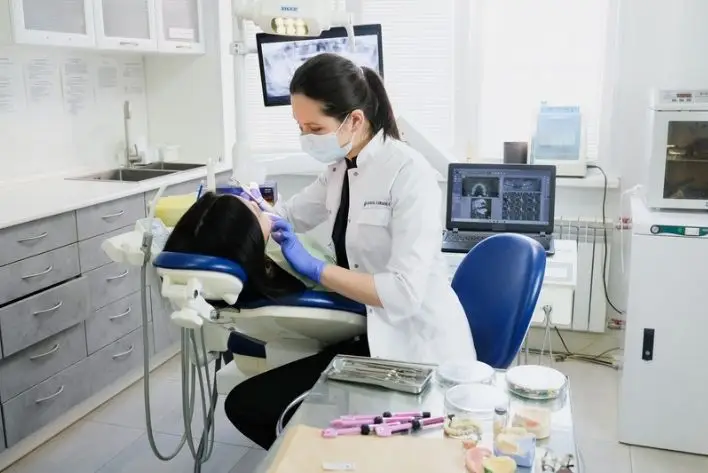
The Next Big Thing in Dental Implant And Cosmetic Dentistry

The field of dentistry is constantly evolving, and there are always new and innovative technologies and techniques being developed. Here are some of the next big things in dental implant and cosmetic dentistry:

  1. 3D printing: 3D printing is already being used in dentistry to create custom dental implants, crowns, and bridges. In the future, 3D printing could be used to create even more complex dental restorations, as well as to personalize dental treatment plans for each individual patient.
  2. Stem cell therapy: Stem cell therapy is a promising new treatment for a variety of dental conditions, including gum disease, tooth loss, and facial deformities. In the future, stem cell therapy could be used to regrow lost teeth, repair damaged gums, and even restore facial symmetry.
  3. Digital dentistry: Digital dentistry is a group of technologies that use digital tools to replace traditional analog methods in dentistry. These technologies include digital scanning, CAD/CAM (computer-aided design/computer-aided manufacturing), and intraoral cameras. Digital dentistry makes it possible to create more precise and accurate dental restorations, and it also allows for more efficient and comfortable dental treatment.
  4. Teledentistry: Teledentistry is the use of telecommunications technology to provide dental care remotely. This technology allows dentists to provide care to patients who live in rural areas or who have difficulty traveling to a dental office. Teledentistry is also being used to provide preventive care, such as fluoride treatments and sealants, to school children.

These are just a few of the next big things in dental implant and cosmetic dentistry. As the field of dentistry continues to evolve, we can expect to see even more innovative technologies and techniques being developed in the years to come.

In addition to the technologies mentioned above, here are some other trends that are expected to have a significant impact on dental implant and cosmetic dentistry in the coming years:

  1. The increasing demand for minimally invasive procedures: Patients are increasingly seeking out dental procedures that are less invasive and have a shorter recovery time. This trend is driving the development of new minimally invasive dental implant and cosmetic procedures.
  2. The growing popularity of all-on-4 dental implants: All-on-4 dental implants are a minimally invasive procedure that can be used to replace a full arch of teeth. This procedure is becoming increasingly popular as patients seek out a more permanent and aesthetically pleasing alternative to dentures.
  3. The focus on personalized dental care: Dentists are increasingly using technology to create personalized dental treatment plans for each individual patient. This approach to dental care takes into account the patient’s individual needs and preferences, and it can lead to better outcomes for patients.

These are just a few of the trends that are expected to shape the future of dental implant and cosmetic dentistry. As the field continues to evolve, we can expect to see even more innovative technologies and techniques being developed to meet the needs of patients.