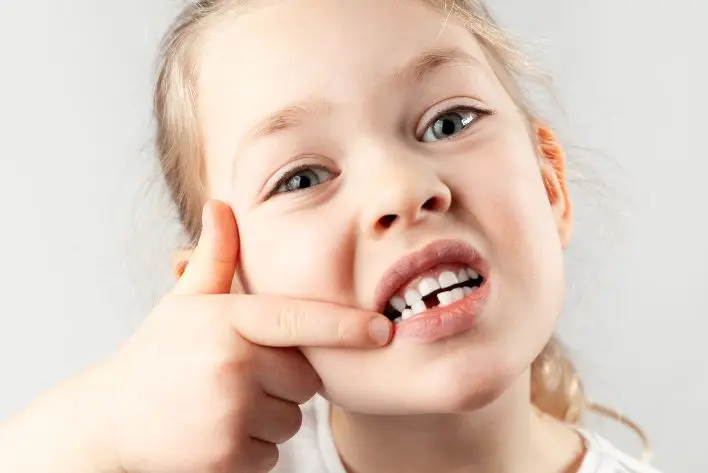
Losing a tooth can be a major inconvenience, but it can also have serious consequences for your overall oral health. When a tooth is missing, the bone that supported it begins to deteriorate over time. This is called bone loss, and it can lead to a number of problems, including:
- Shifting teeth: The teeth around the missing tooth may start to shift out of place, which can affect your bite and make it difficult to chew.
- Gum recession: The gums around the missing tooth may start to recede, which can expose the roots of the teeth and make them more susceptible to decay.
- Facial changes: Bone loss can also lead to facial changes, such as a sunken appearance in the cheek area.
How does bone loss happen?
The roots of your teeth are embedded in your jawbone. These roots help to stimulate the bone and keep it healthy. When a tooth is missing, the roots are no longer there to provide this stimulation, and the bone begins to deteriorate.
The rate at which bone loss occurs varies from person to person. However, it is estimated that up to 25% of the bone around a missing tooth can be lost within the first year after the extraction.
How to stop bone loss
There are a few things you can do to help stop bone loss after a tooth extraction:
- Replace the missing tooth as soon as possible. This will help to prevent the surrounding teeth from shifting and the gums from receding.
- Get regular dental checkups and cleanings. Your dentist can monitor your bone health and make sure that you are taking the necessary steps to prevent further loss.
- Take good care of your teeth. This includes brushing and flossing regularly, eating a healthy diet, and avoiding tobacco use.
If you have lost a tooth, it is important to see your dentist as soon as possible to discuss your options. Replacing the missing tooth will help to prevent bone loss and other problems.
Here are some additional tips to help prevent bone loss:
- Eat a healthy diet that is rich in calcium and vitamin D. These nutrients are essential for bone health.
- Get regular exercise. Exercise helps to keep your bones strong and healthy.
- Quit smoking. Smoking can damage your bones and make you more likely to lose bone mass.
By following these tips, you can help to keep your bones strong and healthy, even if you have lost a tooth.


