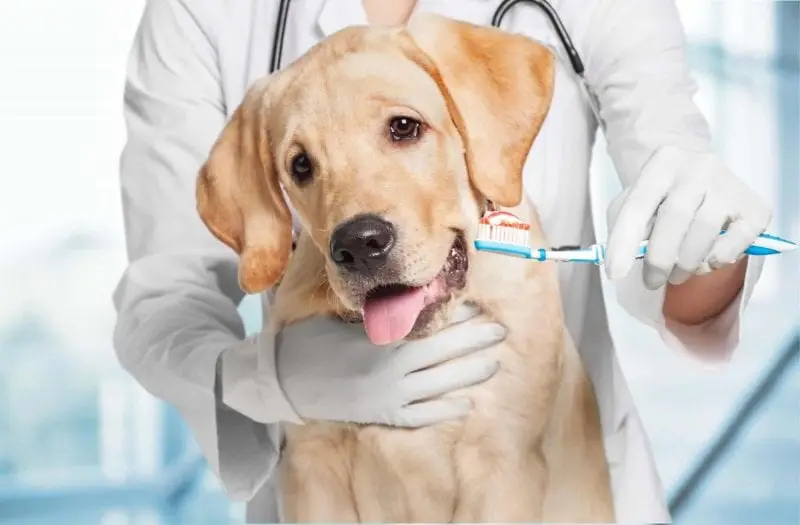
Responsible pet parents know that keeping their pet’s teeth clean is part of good pet hygiene. Yet, it’s not uncommon for some pet parents to skip out on routine dental care for their pets. But regular dental care for pets is just as essential as annual pet examinations and core vaccinations. Here are some important aspects to consider.
Do Pets Need to Visit the Dentist, Too?
Pets not only need to visit a vet for their annual exam, but they also need to get a comprehensive dental exam. A comprehensive dental cleaning, or professional dental cleaning, helps to prevent a variety of conditions, including periodontal disease, issues with the kidney and heart problems.
A comprehensive dental examination includes a process that is similar to the dental cleaning of humans. Pets receive an oral exam and may require X-rays to see below the gum lines. Also, the pet receives anesthesia to ensure the safety of the veterinarian or veterinarian dentist performing the professional dental cleaning. The vet scales the pet’s teeth to remove tartar and plaque and polishes the teeth. The pet then undergoes recovery and often can go back to eating as she normally would. The vet will provide recommendations for care for the pet’s teeth in between cleanings.
What Problems Should Be Monitored?
There are several dental issues that pet parents should monitor. One of the most common issues involves plaque, which is a bacterial film. According to the American Animal Hospital Association, plaque can build up over time and harden with the help of calcium from pet saliva. This hardened plaque, or tartar, is difficult to remove and can seep into the gum line to develop into periodontal disease. Signs of periodontal disease can show up by the time a dog or cat turns three years old, and it’s the most common dental problems of these domesticated pets. If it’s left unchecked, it can turn into gingivitis, deteriorate the bone and even impact the root.
Moreover, when bone loss occurs, it can get be difficult to support the tooth and restore, and is, thus, expensive to resolve. Some common indications of pet dental problems include extra teeth, bad breath, swelling near the mouth area, mouth pain and discolored teeth. Unchecked dental issues can also result in severe pain for pets. Therefore, it’s important to monitor these dental problems to prevent these issues.
Which Pets Need to See the Dentist?
Cats and dogs are typically the most common types of domesticated pets that should receive dental care regularly. The American Veterinary Medical Foundation suggests taking pets to get their teeth checked at least once a year. If signs of pet dental problems occur, such as bad breath, discolored or tartar-covered teeth, or loose or broken teeth, then pet owners should have their pet’s teeth checked as soon as possible by either a veterinarian dentist who is board-certified or a veterinarian.
These medical professionals have extensive training and experience to conduct a professional cleaning, including filing, adjusting, repairing and extracting the teeth of pets. Moreover, board-certified vets and veterinarian dentists will also understand the safety protocols for anesthesia administration, including the need to monitor the blood pressure and body temperature of the pet.
Final Thoughts
Pet dental care shouldn’t be an afterthought. It takes more than brushing a pet’s teeth to maintain quality dental care. By proactively taking care of their pets’ teeth, pet owners can improve the lives of their pets.


